
For Church, Home, and School LESSONS Ages 1-3 Nursery/Sunbeam
Little LESSON LIFESAVER Activity
I Can Pray to Heavenly Father –
Daniel and the Lions’ Den scene

OBJECTIVE: Help children learn how to pray to Heavenly Father and know that He will listen to their prayers.
Use this activity for NURSERY and SUNBEAMS (Ages 1-5)
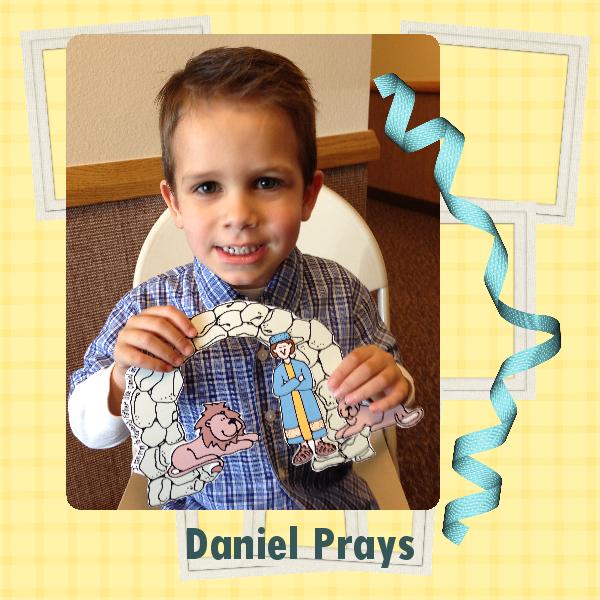
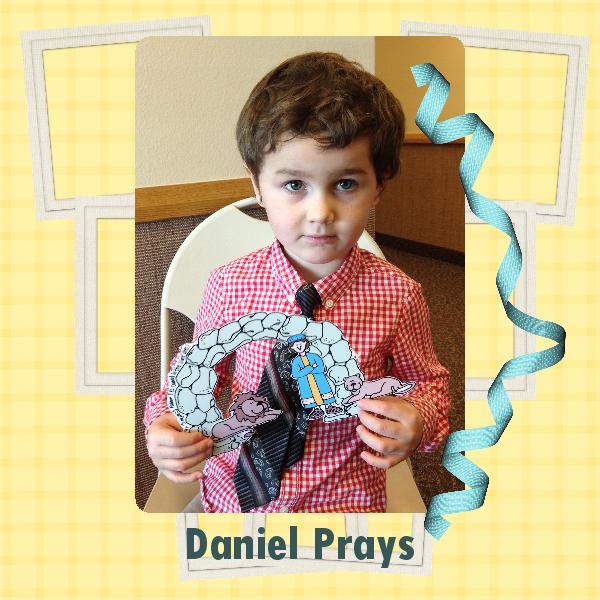
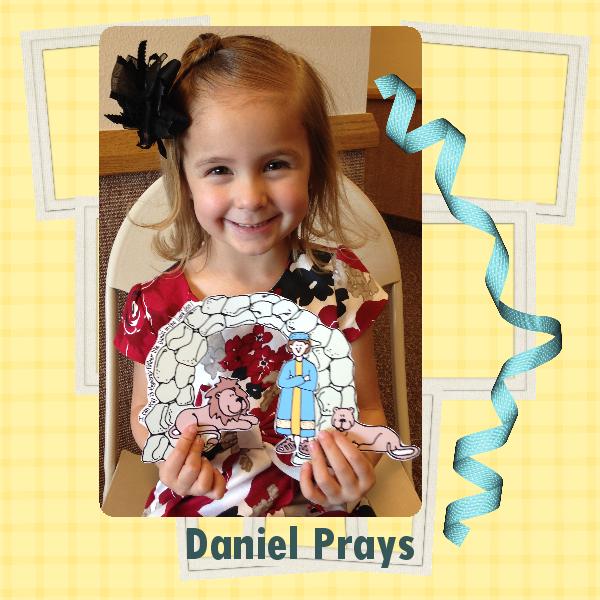
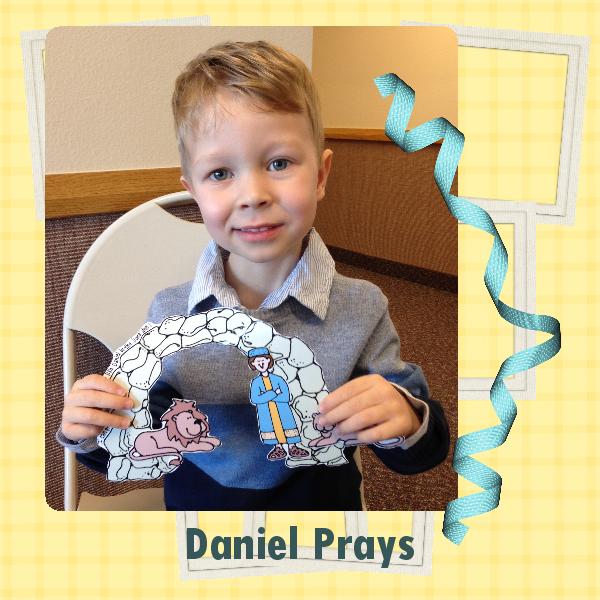
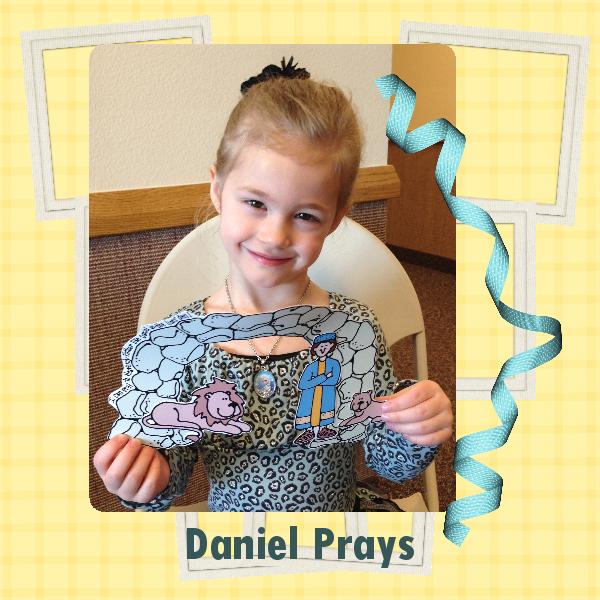
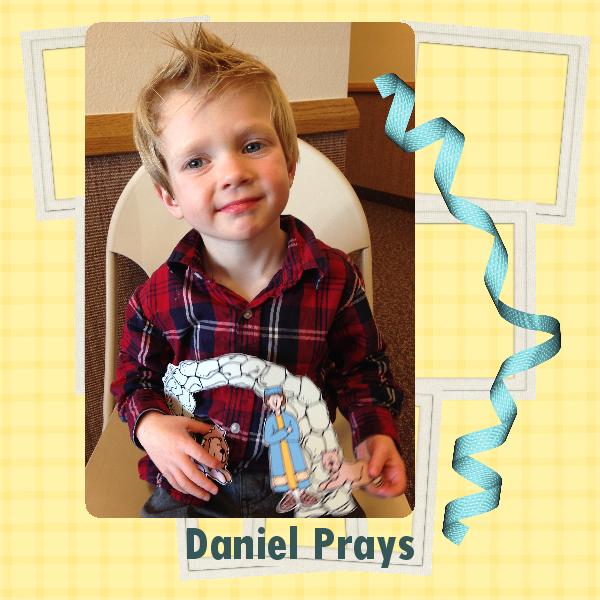
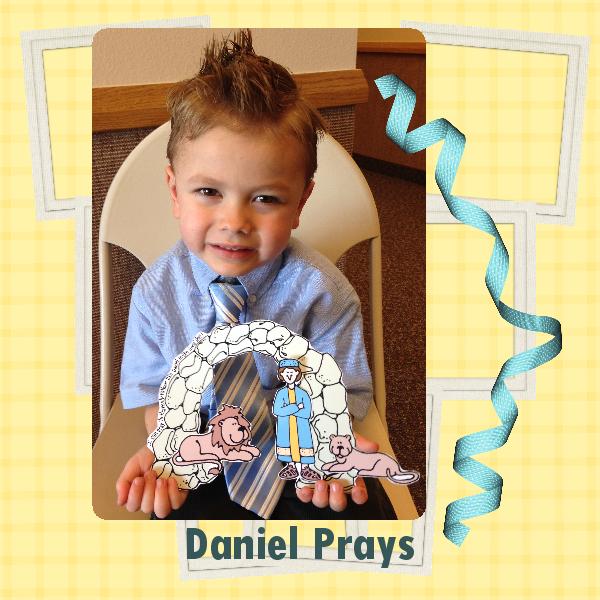
TO MAKE.Print and cut out the drama scene for each child.
ACTIVITY: Use the props and figures to act out the Daniel and Lions’ Den story where Daniel prayed to Heavenly Father. Then the lions did not eat Daniel (Daniel 6).
THOUGHT TREAT: Cream-filled cookies or crackers. Say, “These cookies or crackers are like our hands in prayer. They come together and are folded and quiet. Then when the prayer is over, they can unfold (take cookie apart). After the prayer is over, let’s remember to keep our hands still. Keep your hands folded or in your lap in Primary. This is being reverent in Heavenly Father’s house.”

TWO MORE Lesson-match Activities for the above lessons:
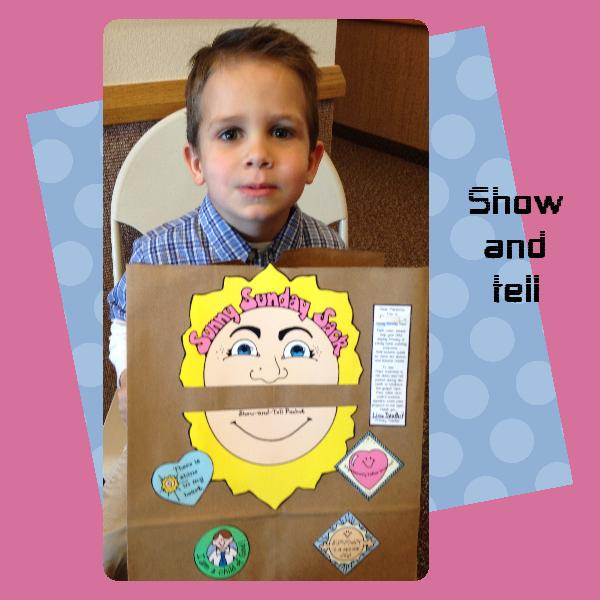
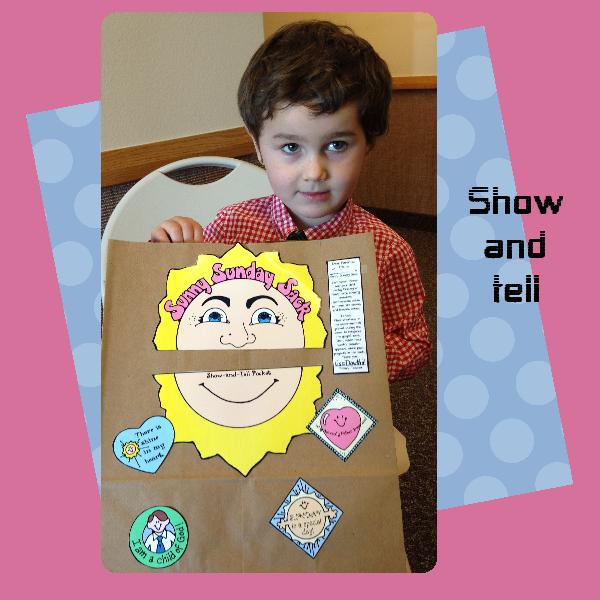
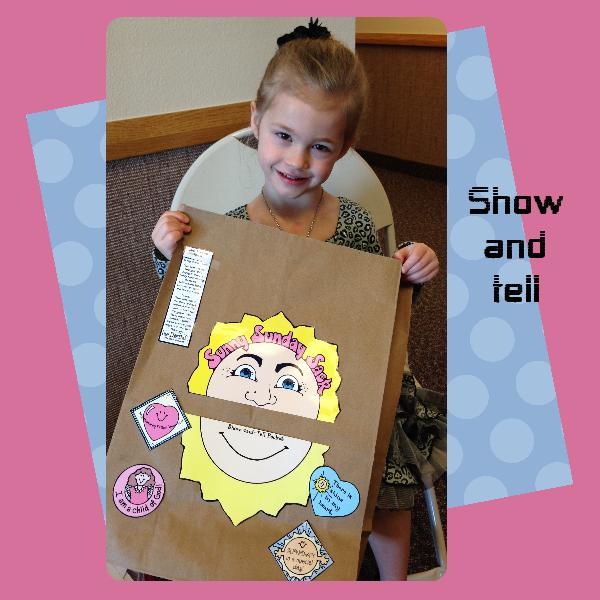
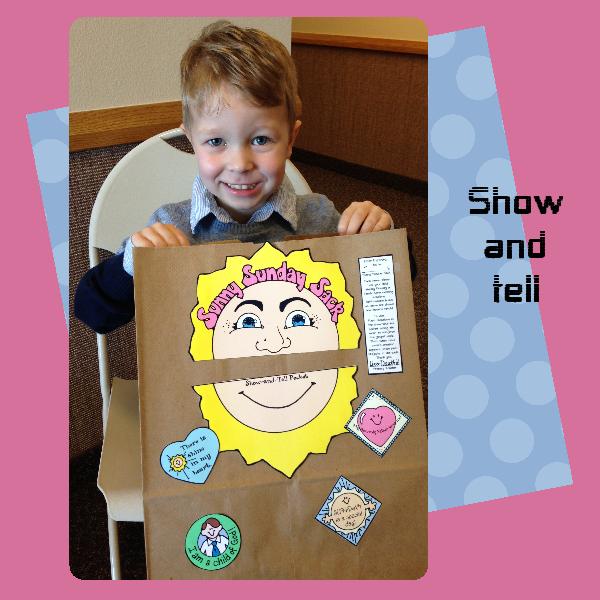
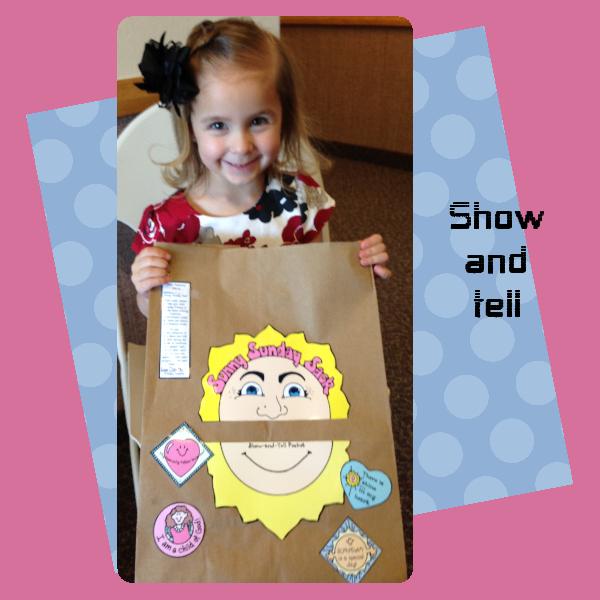
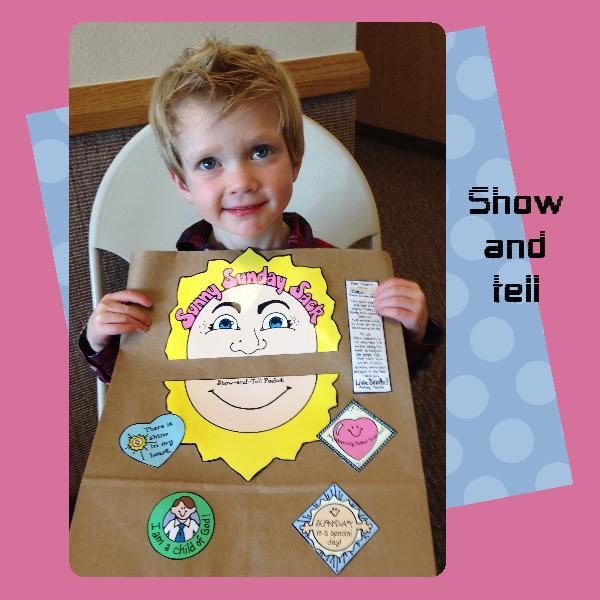
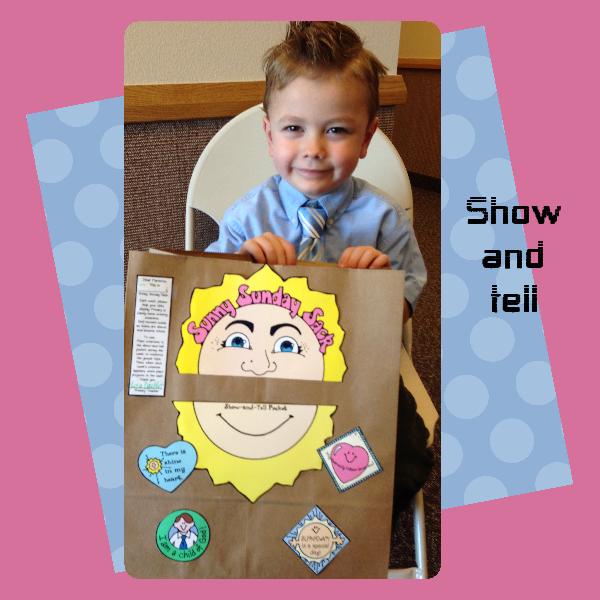

YOUTH CAN TEACH
So, please let them teach as it helps them learn the gospel and grow their testimony as they share it.

Use this BRIGHT IDEAS LESSON Planner to plan lesson objectives, activities, and discussions (included with each activity).


